A bang when a tap or washing machine shuts off can be water hammer: moving water stopped suddenly. High mains pressure is a common cause, and in Victoria the pressure at your taps must not exceed 500 kPa.
What causes it
- High water pressure. The regulator notes pressures over 500 kPa can cause water hammer, shorten the life of appliances and taps, and make the system noisy.
- Fast-closing valves. Washing machines, dishwashers and lever mixers shut the water off in an instant.
- Loose pipes. Pipes not clipped firmly can knock against framing.
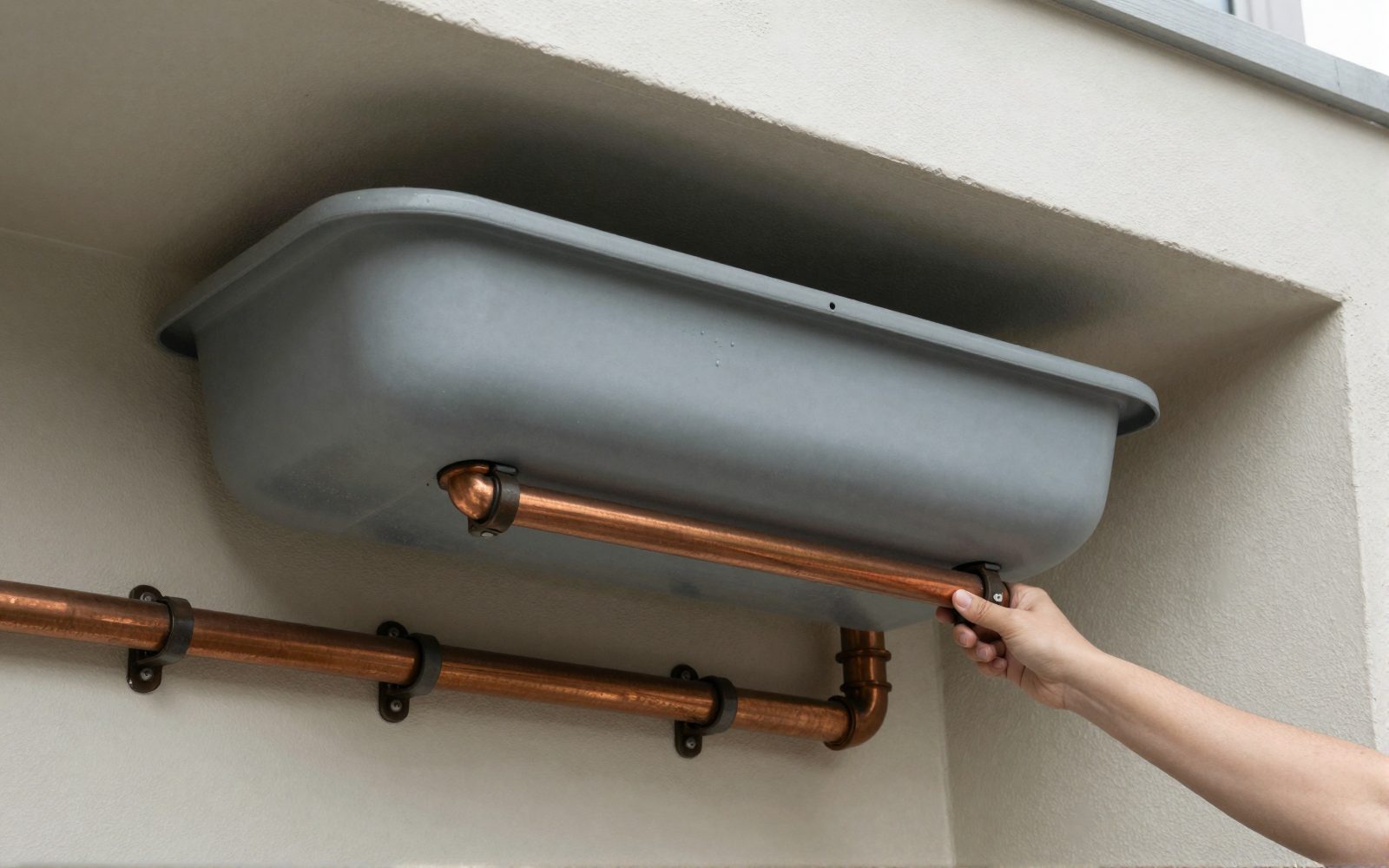
The rule
Under the Plumbing Code of Australia, which Victoria applies, the static pressure at any outlet in a building must not exceed 500 kPa. A plumber checks it with a gauge at the meter or a garden tap; above 500 kPa, a pressure limiting or reducing valve must be installed. See pressure limiting valves.
What you can check
Notice when it bangs (one appliance, or every tap), and what is visible from a normal, safely accessible position. Do not crawl under the house or remove panels to investigate. Fitting valves, clips and arrestors is work for a licensed plumber.
Common questions
Is water hammer dangerous?
It can damage pipes, joints and appliances over time, and the regulator links pressures over 500 kPa to pipe and appliance failure.
How do I stop water hammer?
Have a plumber test the pressure. If it is over 500 kPa, a pressure limiting valve is required; loose pipes can be clipped and fast-closing appliances fitted with arrestors.
Water hammer, vibration or a different noise?
Start with the timing. A sharp bang immediately after a valve closes suggests a different investigation from a continuous hum while water runs or a noise that appears as a hot pipe warms. Describing every plumbing noise as water hammer can send the investigation towards the wrong repair.
Record the fixture or appliance involved, whether it happens on hot or cold water and whether the sound appears once or repeatedly. Listen from ordinary, safely accessible areas. Do not remove walls, enter a roof space or crawl under the house simply to locate a noise.
For an invented symptom record: “There is one bang after the washing machine stops filling; ordinary use of the kitchen cold tap has not produced it.” That tells the plumber more than “all the pipes are broken”. It describes what happened without deciding which component has failed.
Pressure, flow and a transient shock
Pressure is not the same measurement as the amount of water delivered each minute. A tap that feels powerful does not establish a numerical static-pressure reading. A professional investigation can distinguish the resting pressure, behaviour while water flows and the event associated with the bang.
The BPC's 500 kPa guidance concerns maximum static pressure at building outlets, with its stated fire-service exception. It should not be used as a claim that every household noise proves the pressure exceeds 500 kPa. Have the relevant measurement made rather than diagnosing compliance by sound.
Similarly, opening a tap slightly less is not a substitute for a properly assessed pressure-control arrangement. It changes that use of the tap, but does not establish the resting pressure throughout the installation. Ask the plumber which measurements support the proposed remedy.
Why a proposed repair needs a reason
A plumber may investigate supply pressure, the operation of a fast-closing valve and the support of accessible pipework. These are different questions. A pressure-limiting valve, a water-hammer arrestor and a pipe-support repair are not interchangeable products that should all be fitted by default.
For a hypothetical investigation, suppose the measured static pressure is within the applicable requirement but a noise occurs consistently when one appliance valve closes. The next question is what that appliance event and the pipework reveal, not whether the homeowner should arbitrarily raise or lower the pressure setting.
Ask the practitioner to explain the diagnosis, proposed work and how the result will be checked. If a device is recommended, identify what it is intended to do, where it will be installed and any maintenance the manufacturer specifies. The answer should relate to the actual installation.
What you can observe safely
Keep a short log if the noise is intermittent: date, approximate time, appliance, hot or cold use and whether there are visible leaks or another change. A brief recording made from a safe location can help communicate the sound, although it cannot establish the pressure or final cause.
Check whether a recent appliance installation, tap replacement or other work preceded the change. Provide the relevant model and work details to the plumber. A timing connection is a useful lead, not proof that the new appliance or installer caused a defect.
Leave pressure adjustment, fitting devices and pipe-support work to the appropriate practitioner. If water is leaking near electrical equipment, avoid the affected area and arrange the appropriate urgent response. Do not keep operating an appliance repeatedly to recreate a potentially damaging event.
Supply changes and the water company
If the change affects the whole property or follows a known supply event, check the relevant water company's current notices and advice. Yarra Valley Water's high-pressure information explains its network pressure-management context. The household plumbing assessment remains a separate question.
Give the company the address, the observed change and whether neighbours have reported a similar issue if that information is already available. Do not assume the main is at fault because the sound appears near the front of the property. The noise can travel through connected pipework.
If the company directs you to a private plumber, keep the incident reference and explanation. That helps avoid repeating the same initial checks when a practitioner attends. Ownership of a particular fitting and the cause of a noise still need to be established for the actual property.
Quote and completion questions
Ask whether the price includes investigation, pressure measurement, the proposed device or repair and checking the system afterwards. If the diagnosis is not yet known, distinguish the initial assessment charge from work that would require further approval.
For an invented quote comparison, one offer may cover only fitting a named device, while another includes diagnosis and a specified follow-up test. The lower total is not automatically the better comparison if the scopes differ. Request the missing detail before accepting either proposal.
At completion, ask what was found, what changed and what result was observed under the relevant operating condition. Keep any product details and maintenance instructions with the invoice. A quieter pipe after one test does not by itself answer every question about pressure compliance or an intermittent fault.
If the noise returns
Record whether the pattern is the same as before and contact the practitioner with the earlier job details. A changed noise, a new appliance or a different water-use pattern may require a different investigation. Avoid assuming that a previous device has failed solely because a bang is audible again.
Use the pressure-limiting-valve guide to understand that component's role, and the plumber-cost guide for written-quote questions. This publication explains observations and work boundaries; it does not diagnose a home's pipework remotely.
Sources
Checked 16 October 2026. Rules and prices change; check with the regulator, your water company or a licensed plumber.