First note whether one tap or the whole home is affected and whether the unit shows an external fault code. Gas smells, water near electrics or repeated circuit trips need the appropriate emergency or licensed-trade response before troubleshooting.
Electric storage
- The switchboard. From a dry, normally accessible position, note whether the labelled hot-water circuit has tripped. Do not repeatedly reset it; arrange licensed advice, and keep away if there is water, damage or a burning smell.
- The off-peak timer. Many electric units heat overnight; a large evening of showers can empty the tank until the next night.
Gas storage and continuous flow
- Supply information. Check any known distributor outage or external fault display. Do not turn on a stove or another appliance as a gas test.
- Model instructions. Older storage units and continuous-flow systems have different controls. Use only consumer checks expressly described in the exact model's manual; do not open gas compartments or attempt repairs.
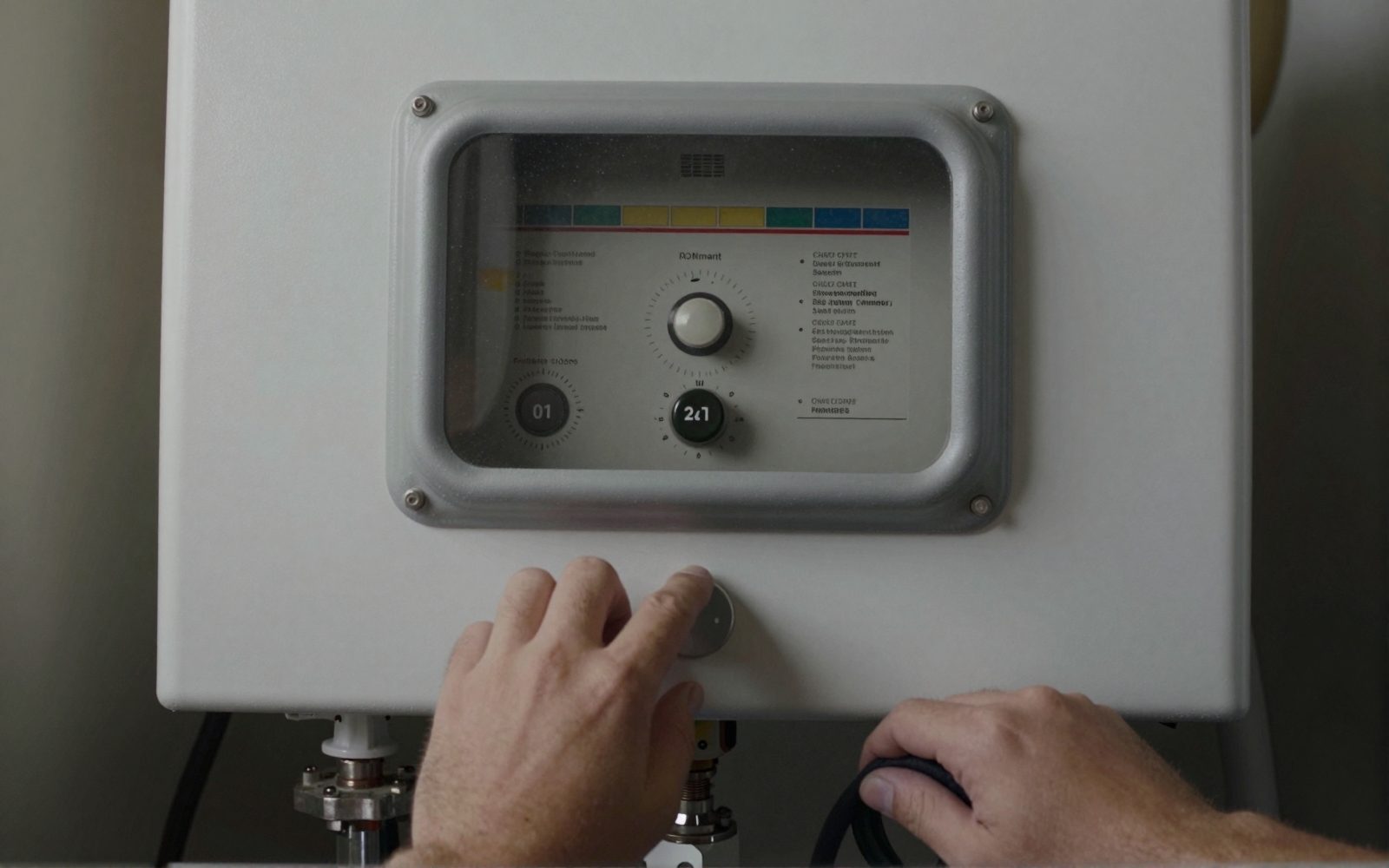
Heat pump
Check the unit's display for an error code and its circuit at the switchboard; the manual lists what each code means.
Getting a repair quote
Ask for the call-out and diagnostic charge, what it includes, the approval needed for parts and the price of proposed additional work. The cost depends on the fault, system and access; obtain a current quote for your installation. Hot water repairs require appropriately licensed practitioners. If yours is old or leaking from the tank, see hot water replacement costs.
Common questions
Why is my gas hot water not working?
Possible causes depend on the model and supply. Note the affected taps and any external fault code, follow only the manufacturer's consumer checks and contact a licensed gasfitter for a gas-system fault. Smell gas: follow emergency guidance first.
How much does it cost to fix a hot water system?
Ask for a current itemised quote covering the call-out, diagnosis, parts and labour. A general national price range does not establish the cost of your particular fault.
Is it one outlet or the whole home?
Start with observations you can make without opening equipment. Is the kitchen affected as well as the bathroom? Does cold water still flow normally? Is the issue water that stays cold, water that becomes lukewarm or no flow at all from a particular outlet? Those descriptions lead to different investigations.
A problem confined to one shower does not, by itself, establish that the water heater has failed. A whole-house problem does not identify a particular part inside the unit either. Record the pattern and give it to the practitioner rather than choosing a replacement component from the first search result.
For an invented report: “Both bathroom and kitchen hot taps stay cold, cold water flows normally, and the heater's external display shows a code.” That is a useful starting point. “The element is broken” goes further than those observations can establish.
Do not keep testing outlets if there is an active leak, a gas smell, electrical damage or another immediate hazard. Use the appropriate urgent contact and follow its instructions first. Troubleshooting is for a situation that can be observed safely.
Find the model without removing covers
Look for an accessible external label, the original manual, a warranty record or an earlier invoice. Note whether the system is electric storage, gas storage, gas continuous flow, a heat pump or solar-assisted. Similar-looking units can have different controls and operating arrangements.
Record the model identifier and any fault code exactly, including letters or punctuation. A code taken from a different brand's guide can give a misleading explanation. Use the manufacturer's information for the actual product, or give the details to its service contact.
The manufacturer's consumer instructions are distinct from installation and service procedures. Do not treat a diagram for a licensed installer as permission to remove an electrical cover, open gas equipment or adjust a safety device. If the applicable document is unclear, ask the manufacturer or practitioner which checks are intended for the owner.
Rheem's troubleshooting page directs owners to model-specific guides for several common questions. The same principle applies to another brand: identify the product before using its instructions.
Storage systems and the pattern of use
A storage system has a finite supply of heated water and needs time to recover after use. Record whether the problem followed unusually heavy demand, a change in household use or a period when the unit was not operating normally. That history helps distinguish a capacity or recovery question from a sudden fault.
For an invented example, several showers close together may create a different pattern from one morning shower after an ordinary night. Tell the practitioner which situation occurred. Do not assume that every cold shower proves the tank is too small, or that every delayed recovery is normal.
Avoid changing the thermostat or other controls behind a cover to chase hotter water. Storage temperature, delivery temperature and safety controls are different questions requiring the correct assessment. Describe the temperature concern and let the appropriate practitioner investigate it.
If a system previously met the same pattern of demand and now does not, record when that changed. An unchanged household routine is useful information, but it still does not identify the failed component without testing.
Off-peak arrangements and a supply interruption
Some electric storage systems use a controlled or timed electricity supply. Rheem's guidance directs owners to confirm the relevant tariff arrangements with their electricity provider and their own model guide. A tariff schedule and an equipment fault can both affect when hot water becomes available.
Check information already available from your electricity retailer and any current outage notice. Note whether power has recently been interrupted or the household's supply arrangement has changed. Do not open electrical equipment to establish whether a circuit is energised.
If the labelled circuit has tripped, preserve that information for a licensed electrician or the appropriate service provider. Repeatedly resetting a circuit is not a diagnostic method for a homeowner. Water near the unit, a burning smell or damaged electrical parts requires keeping clear and arranging the appropriate urgent response.
Ask the provider or practitioner to explain the expected recovery pattern after the actual interruption. A promise that every tank will be hot again in a fixed number of hours would ignore capacity, heating arrangement and the condition of the system.
Gas storage and continuous-flow systems
Gas storage and continuous-flow units operate differently. A pilot-light question for one older storage model should not be applied to a different system with electronic ignition or another control arrangement. Identify the model and follow only the consumer instructions for it.
Do not turn on a stove or another gas appliance as a test when investigating a possible supply problem. A gas smell takes priority over all ordinary checks: use Energy Safe Victoria's emergency guidance and the distributor contact on the bill, and call 000 where life is in danger.
If the system has an accessible external controller, record what it displays. Do not bypass a lockout, remove a casing or adjust a gas fitting. A repeated failure after a manufacturer-authorised consumer step is a reason to contact an appropriately licensed practitioner, rather than repeating the procedure indefinitely.
When arranging a visit, state that the unit is gas and describe any display, recent supply notice and safe observations. Ask whether the attending person is authorised for the relevant work and whether any additional trade may be needed.
Heat pumps and solar-assisted hot water
For a heat pump, note the external display and the operating pattern you have observed. A fan, indicator light or sound alone does not establish that the tank has reached the intended condition. Use the model's instructions to interpret its display and give the fault information to the service provider.
For a solar-assisted installation, identify the type of booster and relevant owner controls from the manual. A cloudy day is not a complete diagnosis of a system that normally meets the household's needs. Tell the practitioner what changed and whether the problem is occasional or continuous.
Leave roof access, refrigerant work, electrical testing and internal plumbing adjustments to the appropriately qualified trades. The safe homeowner contribution is useful information about the product and symptoms, not opening the equipment to collect more detail.
If a service or warranty contact already exists, have the model and installation records available. Ask which investigation it covers and whether attendance, parts or other work could have a separate charge. A warranty label does not determine the cause or the final claim outcome.
Organise the call before agreeing to repair work
Give the address, system type, model if known, affected outlets, start time and any visible fault code. State whether there is a leak, a supply notice or an immediate hazard. Tell the contact if the household has no alternative hot-water arrangement so the practical urgency is clear.
Ask what the initial attendance or diagnostic fee includes. Establish whether parts, a return visit or additional electrical work require further approval. Keep that explanation separate from a possible replacement quote, because an assessment and a complete new installation are different scopes.
For an invented quote comparison, one offer might cover diagnosis only while another includes a specified part and labour. The totals cannot be compared meaningfully until the inclusions are clear. Ask for a written explanation of the proposed repair and its price rather than treating the lowest initial call-out amount as the whole job cost.
If you rent, report the problem through the property's normal owner or agent process and make the symptoms and urgency clear. This publication does not determine individual payment liability or authorise work on someone else's property.
Repair, replacement and the records afterwards
Ask what was established, which component or condition caused the problem and why the proposed remedy is appropriate. An older installation can still need a specific repair; a new-looking unit can have a fault requiring investigation. Appearance alone is not the decision.
If replacement is proposed, compare the complete installation scope, product, capacity, site requirements and confirmed incentives. Read the replacement-cost guide and Victorian rebate guide for those separate questions. A rebate advertisement does not establish that your household qualifies.
After work, keep the diagnosis, invoice, model details, relevant completion documents and maintenance instructions. Ask how normal operation was checked and what to do if the symptom returns. A clear record helps the next conversation without requiring you to diagnose the system yourself.
Shared hot water in an apartment building
If the building uses a central or shared hot-water system, identify the normal building or service contact rather than assuming there is a private heater inside the apartment. Tell the building manager, owner or managing agent what is affected and whether the issue appears confined to your apartment, if that is already known.
Do not enter a locked plant room or operate shared valves to investigate. A building-wide service, a private fitting and an account or supply issue can require different contacts. The building's records can help identify the arrangement without a resident guessing from a meter or cupboard label.
Keep the incident reference and any restoration advice. A neighbour's experience can help describe the pattern, but it does not establish the cause or responsibility for your own installation. Follow the responsible service's current instructions and report a continued problem after the advised restoration.
If the service returns before attendance, tell the contact what changed and whether it has happened before. An intermittent fault can still require investigation. Ask whether the appointment should proceed; do not assume a briefly restored supply proves that the underlying problem has been resolved.
Sources
- Rheem Australia, Hot water system troubleshooting, checked 16 October 2026
- Energy Safe Victoria, Gas emergencies
- Rheem, Electric storage water heater owner's guide and installation instructions (relief valves, six-monthly maintenance)
Checked 16 October 2026. Rules and prices change; check with the regulator, your water company or a licensed plumber.