A pressure limiting valve sits on the water pipe near your meter and holds the pressure inside the house to a safe level. In Victoria, if the mains pressure at your property is over 500 kPa, one must be installed.
What it does
A pressure limiting valve (PLV), or pressure reducing valve, reduces incoming pressure to the selected level within its rated operating range. A plumber chooses and installs a suitable valve for the actual supply and system.
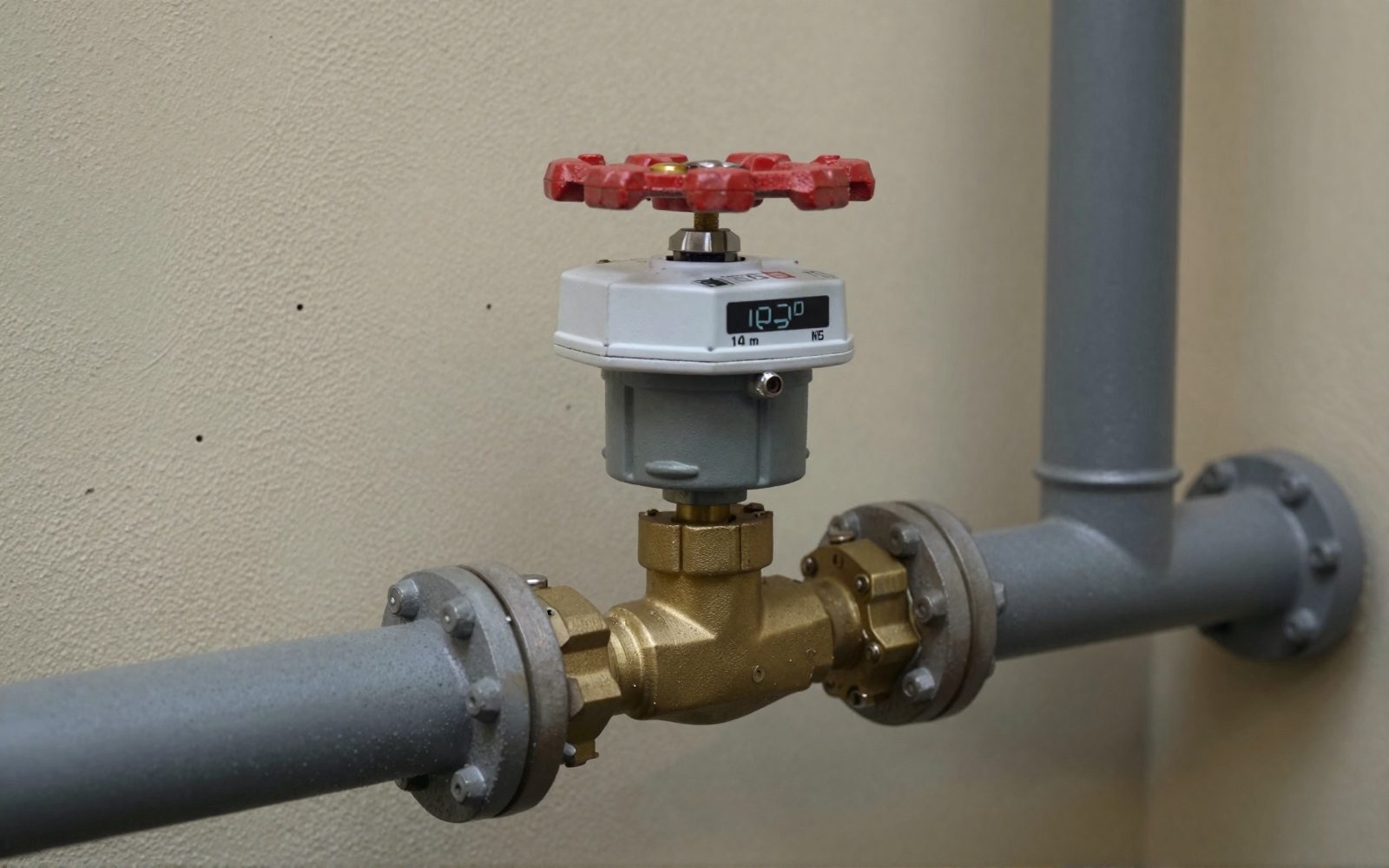
The rule in Victoria
The static pressure at any outlet in a building (other than a fire service) must not exceed 500 kPa, under the Plumbing Code of Australia as applied by Victoria's Plumbing Regulations 2018 and AS/NZS 3500.1. A plumber tests it with a calibrated gauge at the meter outlet or the nearest garden tap. If it is over 500 kPa, a PLV must be installed, and the plumber must tell you.
The regulator says pressures over 500 kPa can cause pipe and appliance failure, water hammer, excess water use, and affect appliance performance and raise questions about the applicable warranty or insurance terms. A symptom alone does not determine cover.
Signs the pressure is too high
Banging pipes (water hammer), dripping taps that keep coming back, toilets that keep refilling, and leaks at flexible hoses.
Low pressure instead?
A PLV that has failed partly closed can cause low pressure. So can a part-closed stop tap at the meter, a blocked aerator or shower head, or an old galvanised pipe. A plumber can test where the pressure drops.
Common questions
Do I need a pressure limiting valve?
In Victoria, yes if the static water pressure at your property is over 500 kPa. A plumber can test it in a few minutes.
What is the difference between a pressure limiting and a pressure reducing valve?
Both lower the pressure; the regulator's guidance refers to installing a pressure limiting and/or pressure reduction valve, chosen by the plumber for the site.
Static pressure and the flow from a tap
Static pressure is assessed when water is not flowing at the point being measured. Flow rate describes the quantity delivered over time. A complaint that a shower feels weak does not establish which measure is wrong, and a strong stream does not tell you the static pressure in kPa.
Ask the plumber to explain the measurements and conditions used. A reading before a control valve and a reading after it answer different questions. The result should identify the relevant part of the installation rather than simply reporting that “the pressure is fine”.
The BPC's maximum-static-pressure requirement is a limit, not a universal instruction to set every home to exactly that number. The appropriate control and setting depend on the installation, applicable requirements and product instructions. Leave adjustment to the practitioner who can assess those factors.
A PLV is different from an isolation or temperature valve
An isolation tap opens or shuts off a supply. A pressure-limiting or reducing valve controls pressure. A tempering or mixing valve deals with water temperature. A relief valve provides another function again. Similar names and abbreviated labels can make them easy to confuse.
Do not turn an unfamiliar screw or cap because someone online describes a “pressure valve adjustment”. Identify the actual product and ask the licensed plumber what it does. A change to a temperature, backflow or relief device is not a routine way to improve a shower's flow.
For an invented household enquiry, “the shower is weak and there is a brass valve near the meter” is a useful starting description. It does not establish that the valve is a PLV, that it is faulty or that changing its setting is the right remedy.
Symptoms need investigation
Recurring leaks, noisy filling or a change in flow can prompt a pressure assessment, but none of those symptoms gives a numerical reading. A blocked outlet, appliance requirement, supply interruption or another plumbing restriction can involve different work.
Note whether the change affects one fixture, hot water only or the whole house. Record any recent plumbing or appliance work and check current supply notices where relevant. Those observations help the practitioner choose an investigation without requiring the homeowner to open pipework.
If the problem appeared suddenly, describe when it changed and whether it is continuous or intermittent. Do not repeatedly operate a leaking appliance to gather more evidence. If there is an immediate hazard, use the appropriate urgent contact first.
Before installation or replacement
Ask why the valve is proposed, which measurements support the recommendation, what product will be used and how it fits the existing system. Confirm whether the quote includes associated fittings, any required access work and the relevant completion documentation.
A hypothetical quote might name a valve but leave out the work needed to access the pipe. Another may include access and making good. Compare the whole scope before treating the two totals as equivalent. Product price alone is not an installed-cost comparison.
The practitioner should choose equipment within its rated conditions. A valve is not a promise of protection against any imaginable incoming pressure or every cause of leakage. Ask how the proposed arrangement meets the actual site requirements and the manufacturer's instructions.
A low-flow complaint after a change
If flow seems different after installation, report the affected fixtures and conditions to the practitioner. Ask for the original and completion measurements, and an explanation of the intended result. Avoid adjusting the valve yourself to recreate the old sensation at a tap.
For an invented example, a homeowner may notice a slower bath fill while an appliance is also using water. That observation raises a question about the combined operating condition; it does not prove the pressure valve is defective. Describe both uses when reporting the issue.
Keep any separate hot-water symptoms visible in the discussion. A temperature complaint and a delivery-rate complaint can feel similar during a shower but need different investigation. The no-hot-water guide helps organise those observations without opening equipment.
Maintenance and records
Keep the product identification, installation date, practitioner details and relevant maintenance instructions with the property records. Follow the actual manufacturer's maintenance schedule rather than inventing a universal service interval for every valve.
If the valve or nearby pipe is leaking, arrange an appropriate assessment. Do not cap an outlet, bypass a component or substitute a part because it fits the thread. The product's function and the installation requirements matter as well as its physical size.
When another plumber attends later, provide the earlier measurements and work record. That gives a clearer starting point than a claim that the property has “always had high pressure”. A fresh assessment can then address the present condition and the reason for the call.
Sources
Checked 16 October 2026. Rules and prices change; check with the regulator, your water company or a licensed plumber.