A storage heater can discharge some water through its relief or expansion valve during heating. Persistent discharge or water around the unit needs assessment. Observe from a safe position, keep clear of hot water and electrical parts, and use the exact model's instructions.
Normal: a drip while heating
Rheem's general troubleshooting guidance says it is normal for the temperature pressure relief (TPR) valve to let water escape during heating, about 1/50 of the hot water used, because water expands by that much when heated. Its guidance flags more than a bucket in 24 hours as a reason to investigate and directs owners to their particular storage-heater manual. This is manufacturer guidance, not a universal threshold for every model.
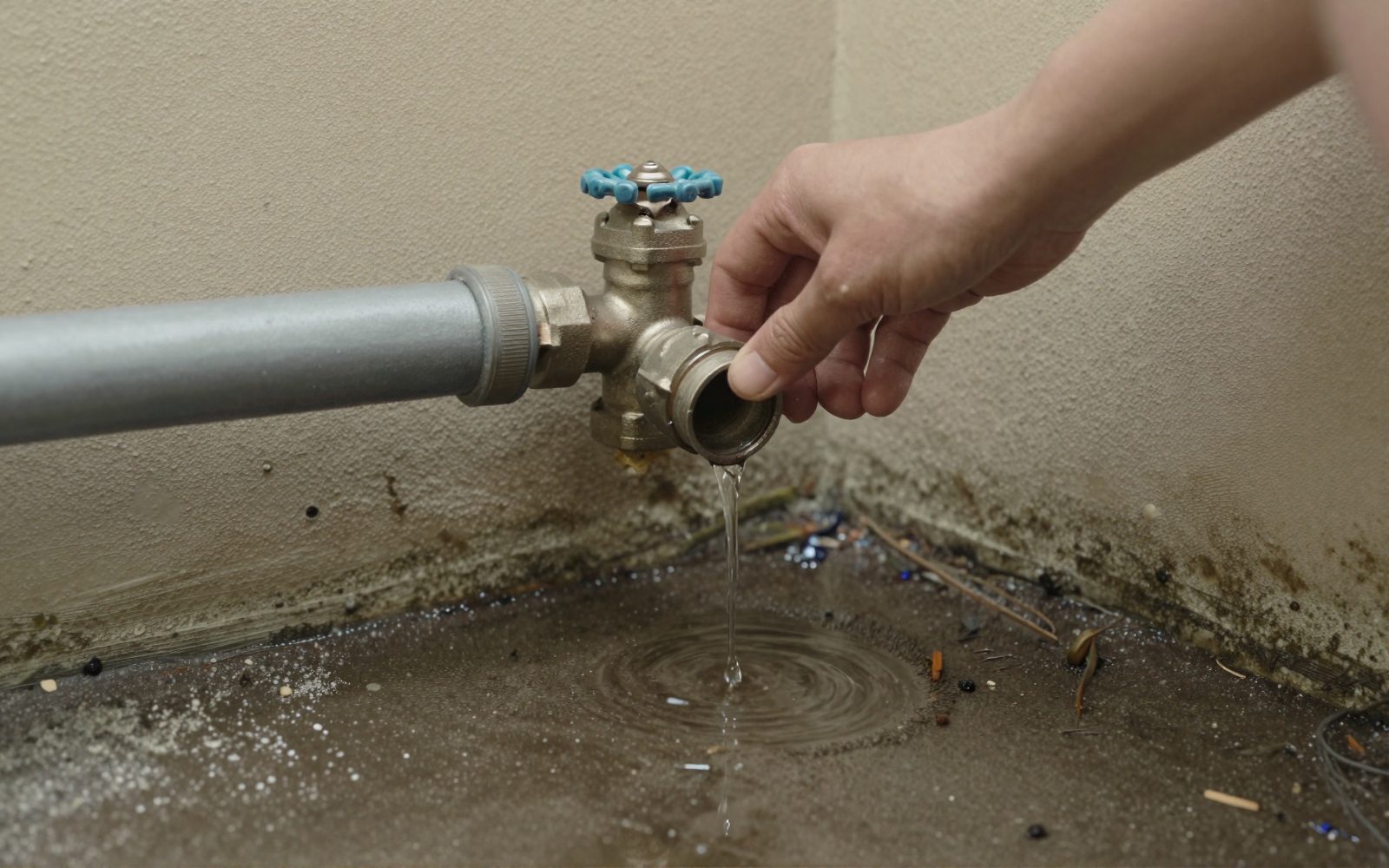
Not normal
- A constant dribble from the relief valve drain. Use the exact manufacturer's consumer guidance and arrange a plumber if discharge persists; do not adjust, cap or bypass a valve.
- Water from the bottom of the tank or around the base. It may involve the tank or water tracking from another point; have the source established.
- Water from a pipe joint. A plumber needs to assess the fitting and the repair required.
Maintenance follows the model guide
Read the maintenance instructions for the actual heater and ask the service provider which tasks are intended for the owner. Access, valve type and safe operation matter. Do not operate an unfamiliar or inaccessible valve based on a generic description, and keep clear of hot discharge.
Repair or replace?
Ask the practitioner to identify the source of the leak and explain the proposed repair or replacement. A puddle alone does not establish that the cylinder has failed. Compare a current itemised quote and, if replacing, check the Victorian rebate and replacement-cost guide.
Common questions
Is it normal for a hot water relief valve to drip?
A small amount during each heating cycle is normal, according to Rheem. A constant flow is not.
Hot water system leaking from the bottom: what does it mean?
The source may be the cylinder or water tracking from a fitting. Keep clear of hot water and electrical parts, follow safe model-specific isolation advice and arrange an appropriately licensed practitioner.
Locate the observation, not the failed part
From a safe position, note where water first appears: the end of a discharge pipe, a visible connection, the casing or the ground around the unit. Water can travel along a surface before it reaches the floor. The place where a puddle collects is not necessarily the place where the leak began.
Record whether the unit was heating, whether the flow was intermittent or continuous and whether there was a recent change in household use. Do not touch hot pipework or open the casing to obtain a better view. The purpose is to give the service provider useful observations, not to make a diagnosis yourself.
For an invented report: “Water is coming from the end of the small discharge pipe while the tank heats, and it continues after the usual heating period.” That is more informative than “the tank is broken”. The practitioner can then assess the actual system and discharge.
A relief valve and an expansion valve are different fittings
Rheem's general guidance refers to the temperature-pressure relief valve and an expansion-control valve where fitted. Identify which component and discharge pipe are involved through the model guide or the practitioner. A similar-looking pipe at another home is not proof of the same arrangement.
Never cap a discharge pipe, tie a valve shut or bypass a component to stop visible water. Those actions do not establish why the water is escaping and can interfere with the device's function. Keep the installation accessible for the appropriate assessment.
A pressure-limiting valve on the supply is another component again. It should not be confused with the heater's relief valve simply because both names include pressure. The pressure-valve guide explains the distinction without giving homeowner adjustment instructions.
Intermittent discharge during heating
For a storage heater, some discharge during a heating cycle can be expected under the manufacturer's guidance. The amount needs to be interpreted for the actual model, use and installation. Do not turn one generic example into a fixed allowance that certifies every heater.
If you are reporting an intermittent issue, state the pattern you have already observed. Say whether it changed recently and whether the same conditions previously produced a different result. There is no need to collect hot discharge in a bucket or recreate a potentially unsafe event to provide that information.
If the observation does not fit the model's owner guidance, or you cannot tell which pipe is involved, arrange advice. A short video from a safe position may help a service provider understand the report, but it does not replace an inspection where one is needed.
Persistent flow or water around the base
Continued flow, a growing wet area or water appearing from the casing warrants assessment. Avoid assuming that the cause is harmless expansion simply because the unit still heats water. Equally, do not order a new cylinder solely because water has reached the base.
Ask the practitioner to distinguish the cylinder, external fittings, valves and other possible sources relevant to that installation. The answer should identify what was found and why the proposed remedy addresses it. A photograph of a wet base does not establish all of those details.
If the leak is affecting the building, tell the service contact where the water is going and whether electrical equipment is nearby. Keep people away from the affected area. Follow the appropriate emergency or licensed-trade advice before ordinary quote comparisons or maintenance discussions.
Isolation and immediate hazards
Use only an identified, safely accessible owner control in accordance with the actual model's instructions. Do not reach through water, touch damaged electrical parts or open a gas compartment. If you do not know how to isolate the unit safely, seek the appropriate urgent assistance.
For a gas smell, follow Energy Safe Victoria's emergency guidance. A suspected gas leak takes priority over trying to decide whether the water leak is repairable. Use the distributor contact on the bill and call 000 where life is in danger.
Tell the attending practitioner what has been isolated, if anything, and who gave the instruction. Do not restart equipment merely to demonstrate the leak when the situation has been treated as unsafe. The practitioner can decide how to test it appropriately.
Prepare for a service or warranty enquiry
Find the model, serial details and installation record where they can be obtained safely. An existing invoice or manual can identify the product without requiring access behind the unit. Note the installation date if known and the service history.
Describe the symptoms rather than selecting a replacement part yourself. Ask whether the initial attendance, diagnosis, labour or parts may have separate charges and how warranty assessment works. A product being within a stated warranty period does not, by itself, decide the cause of the leak or the outcome of a claim.
Keep the service reference and written explanation. If another trade or a further visit is proposed, ask what it is for and what the additional scope includes. That helps distinguish an assessment still in progress from a completed repair.
Compare repair and replacement on the actual scope
A repair quote should identify the diagnosed issue, proposed parts or work and what will be checked afterwards. A replacement quote should identify the product, capacity, installation requirements, removal and relevant associated work. These are different scopes rather than interchangeable totals.
For an invented comparison, a replacement offer might exclude an electrical upgrade or difficult access that another offer includes. Ask for the missing detail before deciding which price represents the whole job. A rebate amount does not fill a gap in the installation scope.
If an end-of-life gas system is being replaced, check the current Victorian electrification rules and how they apply to the property. Use the official sources linked in the replacement guide, particularly for work planned around a future rule date. Do not assume that an older advertisement describes the applicable requirement.
After the leak has been addressed
Ask what was found, what changed and how operation was checked. Keep the invoice, product or part details, relevant completion documents and the manufacturer's maintenance instructions together. Record any recommended follow-up that has not yet been completed.
If water appears again, report whether the location and timing are the same. A new observation can involve a different component, so give the practitioner the earlier work details rather than assuming that every recurrence has the same cause.
Follow the maintenance schedule for the actual product and ask which tasks require a service provider. Maintenance can help manage the installation, but a general online checklist does not guarantee that a heater will never leak or determine that it is safe to keep operating after a new fault.
Heat-pump condensate is a separate question
Some heat-pump water heaters also produce condensate that leaves through a dedicated drain. For example, the Stiebel Eltron WWK owner and installation guide describes condensate forming and being removed through its condensate drain. That is different from deciding that a storage cylinder has failed.
Identify the actual system and discharge point through its own instructions or the practitioner. Do not classify every wet area around a heat pump as harmless condensation, or assume every drain has the same function. Keep covers and pipework intact while arranging an assessment if the source is unclear.
For a rented home or shared building, notify the owner, managing agent or building contact as applicable, describing the active leak and any immediate hazard. Keep the report reference. Do not alter shared pipework or enter a restricted plant room to trace water. Clarifying who authorises a permanent repair is separate from following urgent safety advice.
Sources
- Rheem Australia, Hot water system troubleshooting, checked 16 October 2026
- Energy Safe Victoria, Gas emergencies
- Solar Victoria, Hot water rebate
Checked 16 October 2026. Rules and prices change; check with the regulator, your water company or a licensed plumber.